




How Glyphosate Exposure May Increase Cancer Risk
Explore how exposure to glyphosate in RoundUp may increase cancer risk and other serious health complications, particularly among agricultural workers.

Our Network of Attorneys Are Recognized by the Best
GetCompensation.LAW continues to follow the ongoing litigation involving RoundUp and its active ingredient, glyphosate. Over the past decade, growing scientific debate and legal scrutiny have placed this widely used herbicide under intense public attention. While RoundUp has long been marketed as a convenient and effective weed-control solution, questions surrounding its potential health risks have prompted thousands of lawsuits across the United States.
For individuals who have worked closely with herbicides for years, concerns about long-term exposure are becoming increasingly important. Understanding how glyphosate exposure occurs and how it may contribute to serious health conditions is central to evaluating both health risks and legal options.
Understanding Glyphosate and Its Role in Herbicides
Glyphosate is the primary active ingredient in RoundUp and many other herbicide products. It functions by disrupting an enzyme pathway essential to plant growth. Because this biological pathway is found in plants rather than humans, manufacturers historically argued that glyphosate posed minimal risk to human health.
However, real-world exposure patterns differ significantly from controlled laboratory environments. Workers may handle herbicides frequently, inhale spray particles, or experience repeated skin contact over extended periods.
For individuals regularly using herbicides, understanding health risks of using roundup in agriculture has become a major concern, particularly in farming communities where exposure may occur daily during planting and growing seasons.
How Glyphosate Exposure Occurs
Exposure to glyphosate can happen in several ways, especially for individuals working in agricultural or landscaping industries. Even when used according to instructions, repeated exposure may accumulate over time.
Common exposure routes include:
- Direct skin contact during herbicide application
- Inhalation of spray droplets or mist
- Contaminated clothing or equipment
- Environmental exposure through nearby treated areas
Agricultural workers often face the highest levels of exposure because they may spray herbicides over large areas for extended periods.
Over time, this repeated contact may raise concerns about cumulative health effects.
The Scientific Debate on Cancer Risk
The debate over glyphosate safety intensified in 2015 when the International Agency for Research on Cancer (IARC) classified glyphosate as a probable human carcinogen. This classification was based on evidence suggesting a potential association between glyphosate exposure and certain cancers, particularly non-Hodgkin’s lymphoma.
Not all regulatory agencies reached the same conclusion, but the classification significantly influenced public perception and legal action.
The growing attention surrounding roundup and chronic illness a hidden danger reflects the broader concern that long-term herbicide exposure may contribute to serious medical conditions beyond immediate toxicity.
Scientific discussions continue as researchers examine epidemiological studies, laboratory experiments, and occupational exposure data.
Non-Hodgkin’s Lymphoma and Glyphosate Exposure
One of the most frequently cited illnesses in RoundUp litigation is non-Hodgkin’s lymphoma (NHL), a cancer affecting the lymphatic system.
The lymphatic system plays a critical role in immune function, and cancers affecting this system can significantly weaken the body’s ability to fight infections.
Symptoms of NHL may include:
- Swollen lymph nodes
- Persistent fatigue
- Fever and night sweats
- Unexplained weight loss
- Frequent infections
Because symptoms can develop gradually, many patients do not immediately associate their illness with past chemical exposure.
For individuals who spent years handling herbicides, the possibility that long-term exposure contributed to illness can be deeply concerning.
Environmental Exposure and Water Contamination
Beyond occupational exposure, glyphosate may also enter surrounding ecosystems. Runoff from agricultural fields can carry herbicide residues into nearby waterways.
Research examining roundup and water contamination has raised questions about how herbicides interact with soil, groundwater, and surface water systems. While environmental presence does not necessarily translate directly into human disease, it contributes to broader discussions about chemical exposure pathways.
Communities located near heavily treated agricultural areas may experience indirect exposure through environmental channels, adding another dimension to ongoing safety concerns.
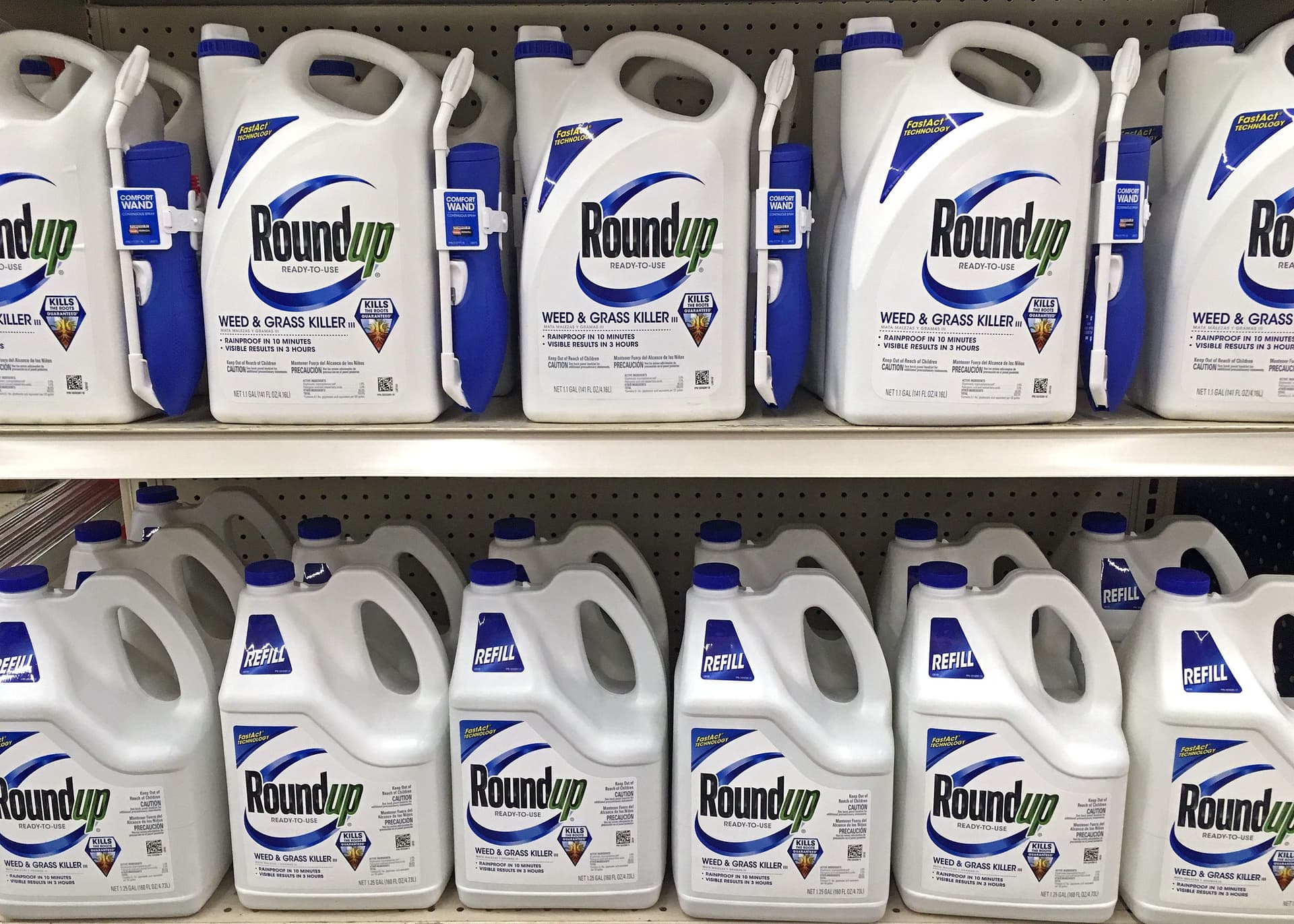
Chronic Illness and Long-Term Exposure
For many individuals involved in RoundUp litigation, the issue extends beyond a single illness. Long-term exposure to herbicides may contribute to chronic health conditions that develop slowly over time.
Some individuals report experiencing:
- Persistent fatigue
- Immune system disorders
- Long-term respiratory irritation
- Chronic inflammatory conditions
Concerns surrounding roundup and chronic illness a hidden danger highlight the possibility that repeated chemical exposure may affect multiple body systems.
Although establishing direct causation can be complex, patterns of illness among individuals with prolonged herbicide exposure continue to draw scientific and legal attention.
Agricultural Workers and Occupational Risk
Farmers and agricultural laborers are often at the center of glyphosate exposure discussions. During planting and growing seasons, herbicides may be applied repeatedly across large areas of farmland.
Workers may experience:
- Direct contact with spray equipment
- Exposure during mixing and preparation
- Residual chemical contact while working in treated fields
These conditions have led many agricultural workers to investigate health risks of using roundup in agriculture, particularly after developing illnesses later in life.
Protective equipment can reduce exposure, but not all workers have access to proper training or safety resources.
Why Lawsuits Are Being Filed
RoundUp lawsuits typically allege that manufacturers failed to adequately warn users about potential cancer risks associated with glyphosate exposure.
Plaintiffs often claim that they:
- Used RoundUp for many years
- Were unaware of potential carcinogenic risks
- Developed non-Hodgkin’s lymphoma after prolonged exposure
These lawsuits seek compensation for medical expenses, lost wages, and other damages resulting from serious illness.
The growing legal movement surrounding fighting for compensation roundup lawsuits reflects the increasing number of individuals seeking accountability after long-term herbicide exposure.
The Role of Product Liability Law
RoundUp litigation is generally based on product liability law, which allows injured individuals to pursue claims against manufacturers when a product causes harm.
Key legal questions often include:
- Did the manufacturer adequately warn about potential risks?
- Were safety studies properly conducted and disclosed?
- Could clearer labeling have prevented harm?
Courts examine scientific evidence, expert testimony, and corporate documentation when evaluating these claims.
Because glyphosate has been widely used for decades, the scale of potential exposure makes these cases particularly significant.
Understanding the Importance of Evidence
Individuals considering legal action must typically demonstrate that their illness is linked to herbicide exposure. Evidence may include:
- Medical records confirming diagnosis
- Work history involving herbicide use
- Duration and frequency of exposure
- Expert medical testimony
Although each case is unique, consistent patterns among individuals with similar exposure histories may strengthen legal claims.
Looking Ahead
The debate surrounding glyphosate safety is far from over. As scientific research continues and court cases move forward, more information may emerge about the long-term health effects associated with herbicide exposure.
For individuals who spent years working with agricultural chemicals, understanding potential risks is an important step toward protecting both health and legal rights.
While RoundUp remains widely used in agriculture and landscaping, ongoing litigation continues to raise important questions about product safety, corporate responsibility, and consumer protection.
GetCompensation.LAW remains committed to helping individuals understand glyphosate exposure risks, the evolving science behind herbicide safety, and the legal options available to those affected by serious illness.