



Most Common Causes of Slip and Fall Accidents in Public and Private Properties
Discover the most common causes of slip and fall accidents, how negligence plays a role, and what victims need to prove liability and seek compensation.

Our Network of Attorneys Are Recognized by the Best
GetCompensation.LAW explains that slip and fall accidents rarely happen without a reason. In most cases, these incidents are the direct result of unsafe conditions that could have been prevented with proper maintenance and care. Whether in public spaces or private properties, hazards often go unnoticed—or ignored—until someone gets hurt.
Understanding the most common causes of these accidents is essential not only for prevention but also for determining when legal action may be appropriate. Many victims assume their fall was simply bad luck, when in reality, negligence is often the underlying factor.
By identifying these hazards and understanding how liability works, individuals can better protect their rights and recognize when a property owner may be responsible.
Unsafe Walking Surfaces and Poor Maintenance
One of the leading causes of slip and fall accidents is poorly maintained walking surfaces. Property owners have a legal duty to ensure that floors, sidewalks, and other areas are safe for visitors.
Common hazards include:
- Wet or recently cleaned floors without warning signs
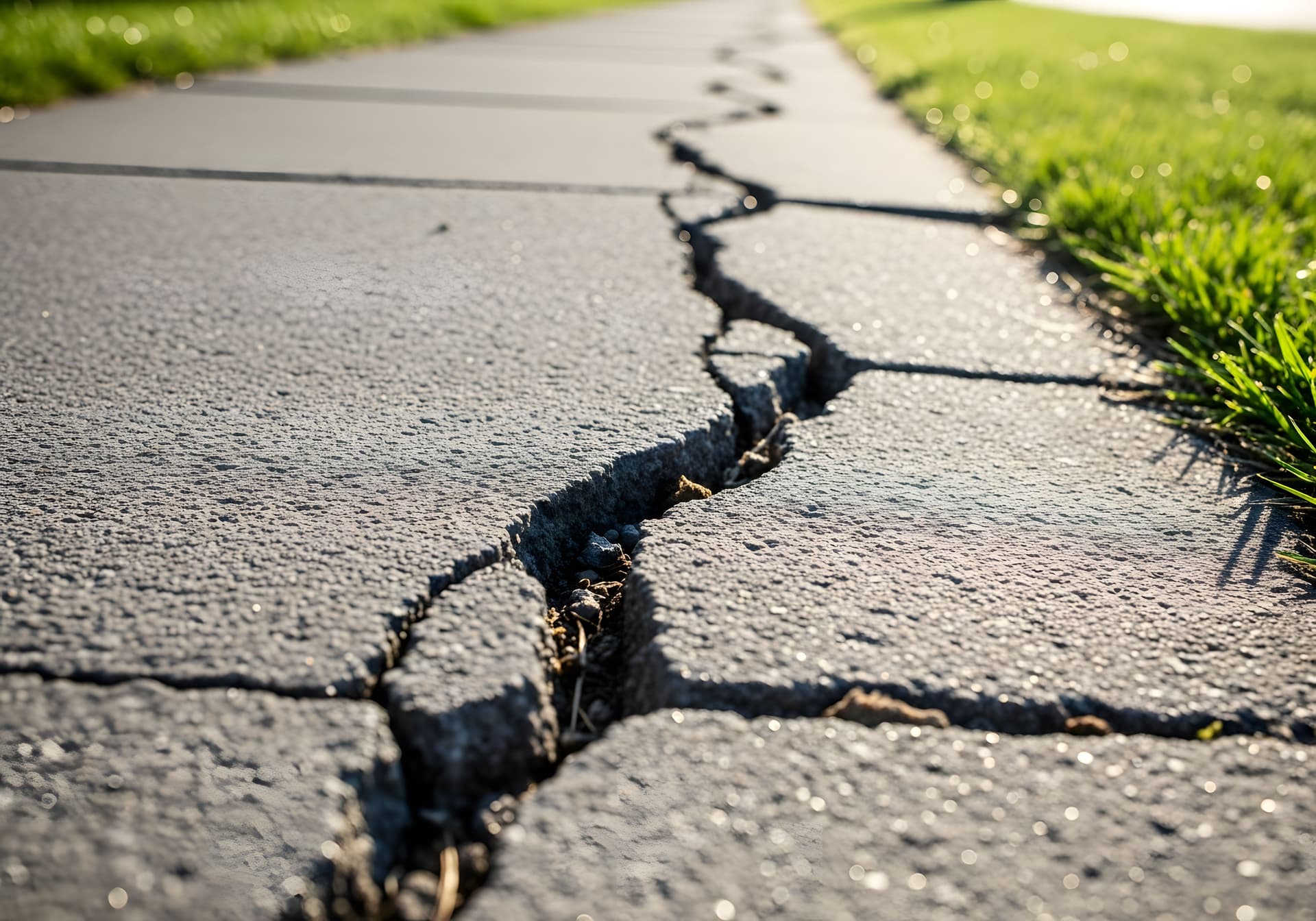
- Cracked or uneven sidewalks
- Loose tiles or floorboards
- Torn carpets or unsecured rugs
These conditions create dangerous environments, especially in high-traffic areas such as shopping centers, office buildings, and apartment complexes.
When these issues are not addressed promptly, they can result in serious injuries. In many cases, these situations fall under property owner negligence, where a failure to maintain safe conditions directly leads to accidents.
Regular inspections and timely repairs are critical, yet many property owners fail to take these basic precautions.
Weather-Related Hazards
Weather conditions are another major contributor to slip and fall accidents, particularly in areas where rain, ice, or snow can create slippery surfaces.
Examples include:
- Water tracked into buildings during rainstorms
- Icy sidewalks or parking lots
- Snow accumulation that is not cleared in time
While weather itself cannot be controlled, property owners are still responsible for addressing these hazards within a reasonable timeframe. Failing to clear ice or provide warning signs for wet floors can create dangerous situations for visitors.
In many cases, these accidents occur because property owners underestimate how quickly conditions can become hazardous or fail to implement proper safety measures.
Poor Lighting in Walkways and Stairwells
Inadequate lighting is a frequently overlooked cause of slip and fall accidents. When visibility is limited, it becomes much harder for individuals to identify potential hazards.
This is especially dangerous in:
- Stairwells
- Parking garages
- Hallways
- Outdoor walkways at night
Poor lighting can prevent people from seeing obstacles, uneven surfaces, or spills that could lead to a fall.
Property owners are responsible for ensuring that these areas are properly illuminated. When they fail to do so, they may be held liable for accidents that occur as a result.
Lack of Warning Signs
Even when hazards cannot be immediately fixed, property owners are expected to provide clear warnings to prevent accidents.
For example:
- “Wet Floor” signs after cleaning
- Barriers around construction areas
- Notices for recently repaired surfaces
Without these warnings, individuals may unknowingly walk into dangerous conditions.
The absence of proper signage is often a key factor in determining liability. When property owners fail to warn visitors of known risks, they increase the likelihood of accidents and legal claims.
Cluttered or Obstructed Walkways
Obstacles in walkways are another common cause of slip and fall incidents. Items left in high-traffic areas can easily lead to trips and falls.
These may include:
- Boxes or equipment left in aisles
- Electrical cords across walking paths
- Debris or trash in public areas
Businesses and property managers are responsible for keeping walkways clear and accessible. Failure to do so can create unnecessary risks for customers, employees, and visitors.
How Liability Is Determined in Slip and Fall Cases
Understanding what caused the accident is only part of the equation. Victims must also prove that the property owner was legally responsible for the hazardous condition.
This often involves showing that:
- The owner knew or should have known about the hazard
- The hazard existed long enough for corrective action to be taken
- The owner failed to fix the issue or provide adequate warning
Learning how to prove liability in slip and fall cases is essential for building a strong claim. Without clear evidence of negligence, it can be difficult to hold the responsible party accountable.
Each case depends on the specific circumstances, including how long the hazard existed and whether reasonable steps were taken to address it.
The Role of Injuries in Determining Compensation
The type and severity of injuries sustained in a slip and fall accident play a major role in determining the value of a claim.
Common injuries include:
- Fractures and broken bones
- Head injuries and concussions
- Back and spinal injuries
- Soft tissue damage
Understanding the most common injuries in slip and fall accidents can help victims recognize the seriousness of their situation and the potential long-term impact on their health.
More severe injuries often lead to higher compensation due to increased medical costs, long-term care needs, and lost income.
How the Legal Process Works After an Accident
Once liability is established, the next step often involves pursuing compensation through insurance claims or legal action.
The process may include:
- Filing a claim with the property owner’s insurance company
- Negotiating a settlement
- Filing a lawsuit if a fair agreement cannot be reached
- Presenting evidence in court if necessary
Understanding how slip and fall settlements and lawsuits work can help victims prepare for the process and avoid common pitfalls.
Many cases are resolved through negotiations, but some require litigation to achieve a fair outcome.
Why Understanding the Cause Matters
Identifying the cause of a slip and fall accident is critical for both prevention and legal accountability. When hazards are properly addressed, many of these incidents can be avoided entirely.
For victims, understanding what caused the accident can help determine whether negligence was involved and whether legal action may be appropriate.
It also highlights the importance of holding property owners accountable for maintaining safe environments.
Final Thoughts on Slip and Fall Causes
Slip and fall accidents are often preventable, yet they continue to occur due to unsafe conditions and lack of proper maintenance. From poor lighting to unaddressed hazards, these incidents frequently result from negligence rather than chance.
By understanding the most common causes, recognizing dangerous conditions, and knowing how liability is established, individuals can take steps to protect themselves and their rights.
GetCompensation.LAW emphasizes that when property owners fail to maintain safe environments, they should be held accountable. Identifying the cause of an accident is the first step toward seeking justice and ensuring safer conditions for others.