




What Is RoundUp and Why Are Cancer Lawsuits Being Filed?
Learn what RoundUp is, how glyphosate exposure occurs, and why thousands of lawsuits allege a connection between RoundUp and cancer.

Our Network of Attorneys Are Recognized by the Best
GetCompensation.LAW continues to monitor the ongoing litigation involving RoundUp, one of the most widely used herbicides in the world. Originally marketed as an effective solution for controlling weeds in agriculture, landscaping, and home gardening, RoundUp became a household name over several decades. However, as scientific debate intensified and reports of serious health conditions increased, the product also became the center of thousands of lawsuits.
Today, individuals across the United States are filing claims alleging that prolonged exposure to glyphosate—the primary active ingredient in RoundUp—may increase the risk of certain cancers. Understanding how RoundUp works, how exposure occurs, and why legal action is growing nationwide can help individuals evaluate potential risks and legal options.
What Is RoundUp?
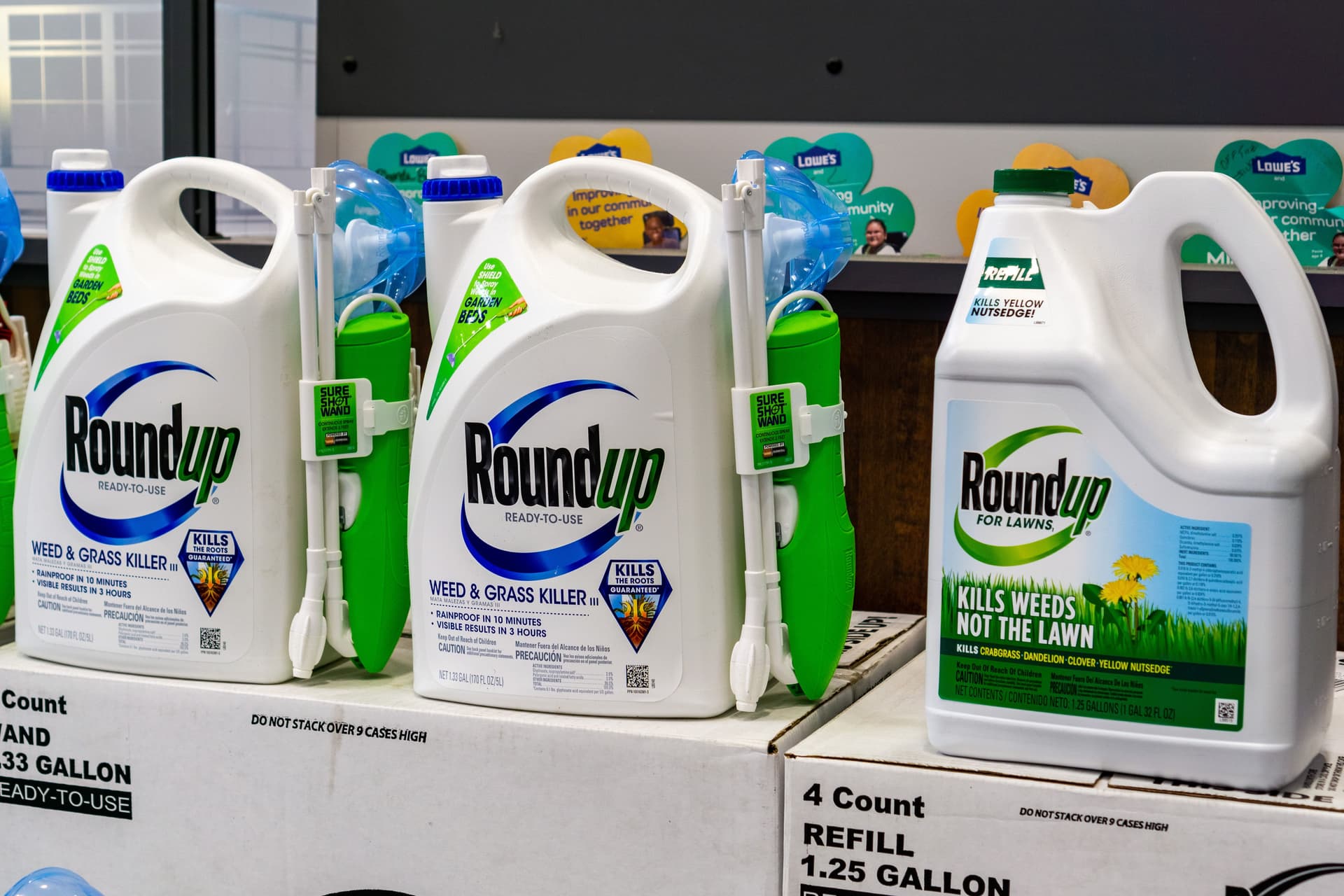
RoundUp is a herbicide designed to eliminate unwanted plants and weeds. It was originally introduced in the 1970s and quickly became popular because of its effectiveness and versatility. Farmers, landscapers, municipal workers, and homeowners alike adopted it as a convenient solution for weed control.
The product’s main active ingredient is glyphosate, a chemical compound that disrupts a plant’s ability to produce essential proteins needed for growth. When sprayed onto weeds, glyphosate penetrates the leaves and travels through the plant, eventually causing it to die.
Because of its effectiveness, glyphosate-based herbicides became some of the most commonly used agricultural chemicals in the world.
However, as usage expanded, questions began to emerge regarding the potential long-term health effects associated with repeated exposure.
How People Are Exposed to RoundUp
Exposure to RoundUp can occur in several ways, particularly among individuals who regularly work with herbicides. Agricultural workers and landscapers often face the highest exposure levels because they may handle the product frequently.
Common exposure scenarios include:
- Spraying herbicides on crops or fields
- Using RoundUp in landscaping or lawn care
- Handling herbicide equipment without adequate protective gear
- Working in environments where herbicides are regularly applied
Even home gardeners may encounter exposure when using herbicides in residential settings.
Many individuals researching potential risks begin by exploring roundup exposure what you need to know, especially when trying to understand how repeated contact with herbicides may affect long-term health.
The Scientific Debate Surrounding Glyphosate
The scientific community has debated the safety of glyphosate for years. Some regulatory agencies maintain that glyphosate is safe when used according to instructions, while other organizations have raised concerns about possible health risks.
In 2015, the International Agency for Research on Cancer (IARC), a branch of the World Health Organization, classified glyphosate as a “probable human carcinogen.” This classification significantly increased public scrutiny of RoundUp.
Although not all regulatory bodies reached the same conclusion, the IARC assessment intensified discussions about potential links between herbicide exposure and cancer.
For many individuals exploring these concerns, research often leads to questions surrounding the link between roundup and cancer, particularly when examining patterns of illness among agricultural workers and individuals with long-term herbicide exposure.
Cancer Allegations in RoundUp Lawsuits
Many lawsuits involving RoundUp focus on allegations that prolonged glyphosate exposure may increase the risk of non-Hodgkin’s lymphoma, a cancer that affects the lymphatic system.
Plaintiffs often claim that:
- They used RoundUp regularly over many years
- They were not adequately warned about potential cancer risks
- The product’s safety was misrepresented or minimized
In product liability litigation, courts evaluate whether manufacturers provided sufficient warning about known or foreseeable risks.
While not every individual exposed to glyphosate develops cancer, plaintiffs argue that prolonged exposure significantly increases the risk.
Respiratory and Other Health Concerns
Although cancer claims have received the most attention, some individuals report additional health complications related to herbicide exposure.
Concerns about roundup exposure and respiratory issues have emerged among workers who regularly spray herbicides in agricultural or landscaping environments. Inhaling chemical droplets or vapor during application may contribute to breathing irritation or respiratory discomfort.
Protective equipment and proper handling procedures can help reduce risk, but not all workers receive adequate training or protection.
These additional health concerns highlight the broader conversation about workplace safety and chemical exposure.
Environmental Impact of RoundUp
Beyond human health, RoundUp has also sparked debate about its environmental consequences. Herbicides can affect ecosystems when they enter soil, water systems, or surrounding vegetation.
Researchers studying roundup and its environmental impact have raised questions about potential effects on biodiversity, soil health, and nearby plant species.
Environmental exposure does not automatically translate into human health risks, but it contributes to ongoing discussions about the broader implications of widespread herbicide use.
Why Lawsuits Are Increasing
RoundUp litigation has grown significantly over the past decade. As more individuals reported similar health conditions following years of herbicide exposure, lawsuits began to accumulate across multiple jurisdictions.
These cases often involve claims that manufacturers:
- Failed to warn consumers about potential cancer risks
- Downplayed or disputed scientific findings
- Continued aggressive marketing despite emerging concerns
As courts examine internal corporate documents, expert testimony, and epidemiological research, the legal system continues to evaluate whether the risks associated with glyphosate were adequately communicated.
Who May Be Affected by RoundUp Exposure
Individuals most commonly involved in RoundUp litigation include:
- Farmers and agricultural workers
- Groundskeepers and landscapers
- Municipal weed-control workers
- Home gardeners who frequently used herbicides
Exposure patterns vary widely depending on occupation, duration of use, and safety precautions taken.
For individuals diagnosed with serious illnesses following prolonged herbicide exposure, understanding the history of glyphosate research may provide important context.
The Role of Product Liability Law
RoundUp lawsuits typically fall under product liability law, which governs injuries caused by defective or dangerous products.
Claims often focus on whether manufacturers:
- Provided adequate warnings
- Conducted sufficient safety testing
- Responded appropriately to emerging scientific evidence
Courts may also evaluate whether safer alternative designs or clearer warning labels could have reduced the risk of harm.
These legal questions will continue shaping RoundUp litigation in the years ahead.
Looking Ahead
RoundUp remains widely used across agriculture and landscaping industries, and debates surrounding its safety continue. While many regulatory agencies maintain that glyphosate can be used safely when instructions are followed, lawsuits alleging cancer risks have prompted significant public attention.
As scientific research evolves and court cases proceed, the legal system will continue examining whether individuals were adequately informed about potential long-term health risks associated with herbicide exposure.
For those facing serious health challenges after years of working with herbicides, understanding the relationship between exposure and disease may be an important step toward seeking answers.
GetCompensation.LAW remains committed to helping individuals understand RoundUp exposure, the evolving science surrounding glyphosate, and the legal options available for those affected by serious health complications.