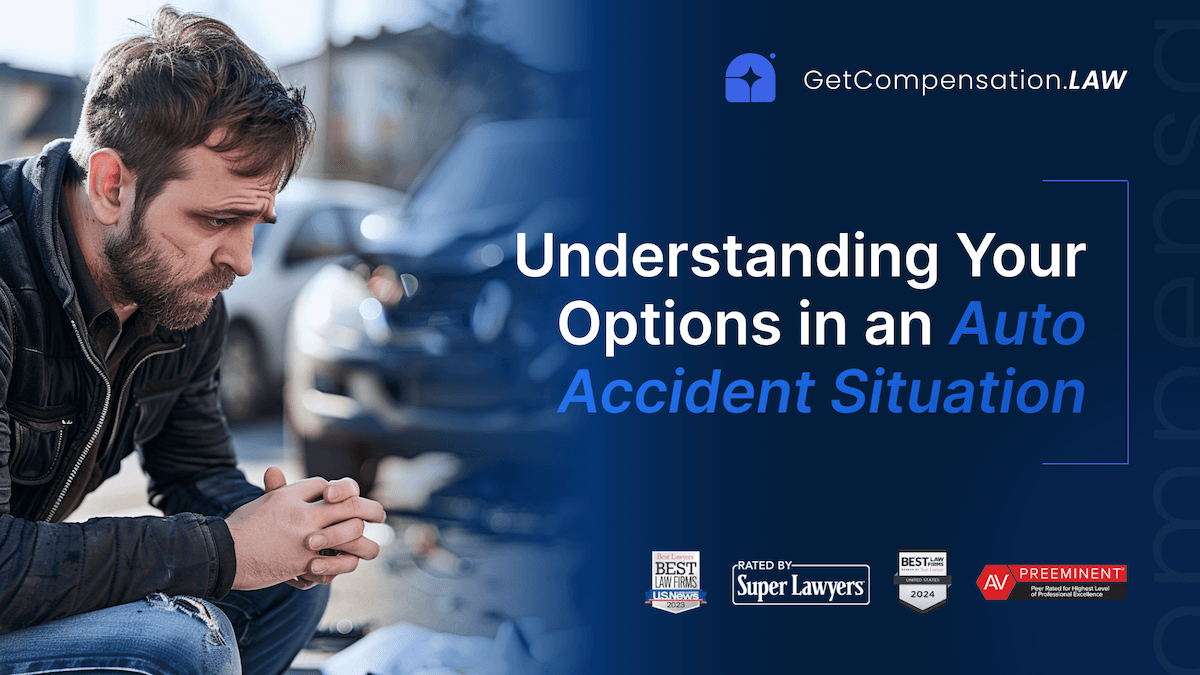




What to Do Immediately After a Car Accident: A Step-by-Step Guide
Learn what to do immediately after a car accident, how to protect your rights, avoid costly mistakes, and maximize your compensation.

Our Network of Attorneys Are Recognized by the Best
GetCompensation.LAW explains that the moments following a car accident can be confusing, stressful, and even overwhelming. Whether the collision is minor or severe, the actions you take immediately afterward can significantly impact your safety, your recovery, and your ability to pursue compensation.
Many victims make critical mistakes in the aftermath of an accident—often without realizing the long-term consequences. From failing to document evidence to speaking improperly with insurance companies, these missteps can weaken a claim and reduce the compensation you may be entitled to receive.
Knowing exactly what to do after a car accident can help protect your rights and ensure you are in the best possible position moving forward.
Step 1: Prioritize Safety and Check for Injuries
The first and most important step after any car accident is to ensure the safety of everyone involved.
You should:
- Check yourself and others for injuries
- Call emergency services if anyone is hurt
- Move to a safe location if possible
- Turn on hazard lights to alert other drivers
Even if injuries seem minor, it is important to take them seriously. Some conditions, such as internal injuries or concussions, may not show symptoms immediately.
Step 2: Call the Police and Report the Accident
In many cases, contacting law enforcement is essential. A police report creates an official record of the accident, which can be crucial for insurance claims and legal proceedings.
The report may include:
- Details of the accident
- Statements from drivers and witnesses
- Observations about road conditions
- Initial determination of fault
This documentation can become a key piece of evidence later.
Step 3: Document the Scene Thoroughly
Collecting evidence at the scene is one of the most important steps you can take.
Be sure to:
- Take photos of all vehicles involved
- Capture damage, road conditions, and traffic signs
- Photograph any visible injuries
- Record the location and time of the accident
This evidence can help establish what happened and support your claim.
Understanding the most common causes of car accidents can also help you identify whether negligence played a role in your situation.
Step 4: Exchange Information with Other Parties
You should exchange key information with the other driver(s), including:
- Names and contact details
- Insurance information
- Driver’s license numbers
- Vehicle registration details
If there are witnesses, try to collect their contact information as well.
Avoid discussing fault or making statements that could be used against you later.

Step 5: Seek Medical Attention Immediately
Even if you feel fine, it is critical to seek medical evaluation as soon as possible.
Medical records serve two important purposes:
- Protect your health by identifying hidden injuries
- Create documentation linking your injuries to the accident
This is especially important in cases involving head trauma. Understanding car accidents and brain injuries highlights how serious and delayed symptoms can be in these situations.
Prompt medical care strengthens both your recovery and your legal claim.
Step 6: Avoid Common Mistakes That Can Hurt Your Claim
After an accident, many people unknowingly make mistakes that can reduce their chances of receiving fair compensation.
Some of the most common mistakes include:
- Admitting fault at the scene
- Failing to seek medical attention
- Not reporting the accident
- Giving recorded statements to insurance companies too early
- Posting details about the accident on social media
Understanding the most common mistakes after a car accident can help you avoid these pitfalls and protect your case.
Step 7: Notify Your Insurance Company Carefully
You should inform your insurance company about the accident, but be cautious about what you say.
Stick to the facts and avoid:
- Speculating about fault
- Downplaying injuries
- Providing unnecessary details
Insurance companies may use your statements to minimize your claim, so it is important to communicate carefully.
Step 8: Keep Records of Everything
Maintaining organized records is essential for building a strong claim.
Keep documentation of:
- Medical bills and treatment plans
- Repair estimates for your vehicle
- Lost wages
- Communication with insurance companies
These records will help demonstrate the full extent of your losses.
Step 9: Understand How Compensation Works
Many accident victims are unsure about what they may be entitled to after a crash.
Compensation may cover:
- Medical expenses
- Lost income
- Property damage
- Pain and suffering
Understanding car accident compensation and how lawyers maximize your claim can provide valuable insight into how claims are evaluated and why some cases result in higher settlements than others.
Step 10: Take Action to Protect Your Rights
Taking the right steps early on can make a significant difference in the outcome of your case.
By:
- Acting quickly
- Preserving evidence
- Seeking proper medical care
- Avoiding common mistakes
you can strengthen your position and improve your chances of receiving fair compensation.
Why Early Decisions Matter So Much
The actions you take immediately after a car accident can have long-term consequences. Small mistakes made in the first hours or days can weaken your claim, while careful decisions can significantly improve your outcome.
Being informed and prepared allows you to handle the situation with confidence and clarity.
Final Thoughts on What to Do After a Car Accident
Car accidents can happen unexpectedly, but knowing how to respond can make all the difference. From ensuring safety to documenting evidence and avoiding costly mistakes, each step plays a critical role in protecting your health and your legal rights.
GetCompensation.LAW emphasizes that accident victims should take their situation seriously from the very beginning. With the right actions and awareness, it is possible to avoid common pitfalls, build a strong case, and pursue the compensation needed to recover and move forward.