




Who Can Be Held Liable in RoundUp Lawsuits?
Learn who may be legally responsible in RoundUp lawsuits, including manufacturers and other entities linked to glyphosate exposure.

Our Network of Attorneys Are Recognized by the Best
GetCompensation.LAW continues to track the growing number of lawsuits involving RoundUp and glyphosate exposure. As thousands of individuals across the United States seek legal accountability after developing serious illnesses, courts are increasingly focused on an essential legal question: who may be held responsible when a widely used herbicide is linked to health complications?
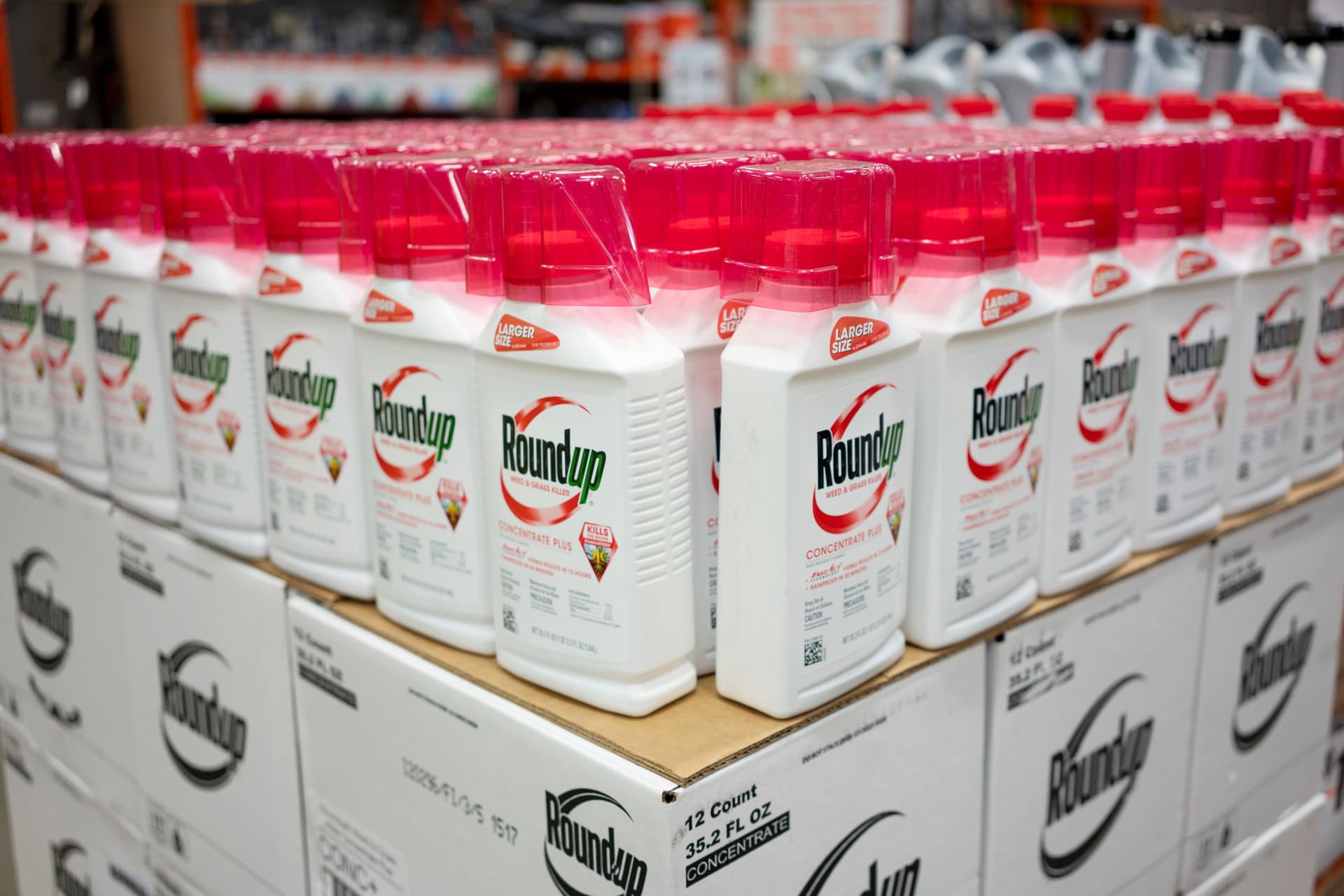
RoundUp has been used for decades by farmers, landscapers, and homeowners. However, growing concerns about cancer risks have led many individuals to investigate their legal rights after prolonged exposure. Understanding liability in RoundUp litigation requires examining how herbicides were marketed, what warnings were provided, and how exposure occurred over time.
Understanding Product Liability in Chemical Exposure Cases
RoundUp lawsuits generally fall under product liability law. Product liability allows individuals to pursue legal claims when a product causes harm due to defects, inadequate warnings, or unsafe design.
In cases involving herbicides and pesticides, courts often examine whether the manufacturer took appropriate steps to ensure that consumers understood potential risks. Plaintiffs in these cases frequently argue that they were never properly warned about the possibility that glyphosate exposure could increase the risk of cancer.
For individuals researching what is roundup and why are cancer lawsuits being filed, the issue of corporate responsibility often becomes a central part of understanding the legal landscape.
Product liability claims may involve several different legal theories, including failure to warn, negligent design, and misrepresentation of safety information.
The Role of the Manufacturer
In most RoundUp lawsuits, the primary defendant is the company that developed and marketed the herbicide. Manufacturers have a legal duty to ensure that their products are reasonably safe and that potential risks are clearly communicated to users.
This duty includes:
- Conducting adequate safety testing
- Monitoring scientific research related to product risks
- Updating warning labels when new risks emerge
- Providing accurate marketing information
If a company becomes aware of potential hazards but fails to update product warnings, courts may determine that consumers were not properly informed.
Many individuals diagnosed with illnesses after prolonged herbicide use begin investigating roundup exposure what you need to know when trying to determine whether they may have encountered harmful chemical levels during their work or daily activities.
Failure to Warn and Warning Label Issues
Failure-to-warn claims are one of the most common legal arguments in RoundUp litigation. Plaintiffs may argue that herbicide labels and marketing materials did not adequately explain the potential risks associated with long-term glyphosate exposure.
Courts evaluating these claims often ask:
- Were warning labels clear and visible?
- Did labels accurately describe possible health risks?
- Did the manufacturer update warnings when new research emerged?
In chemical exposure cases, warning labels play a critical role in helping consumers make informed decisions about product use.
When warning labels fail to reflect potential hazards, individuals may unknowingly expose themselves to dangerous substances for years.
Corporate Knowledge and Scientific Evidence
One of the most important aspects of RoundUp litigation involves examining what manufacturers knew about glyphosate risks and when they knew it.
Legal proceedings often involve reviewing:
- Internal corporate communications
- Scientific studies conducted by or shared with the company
- Regulatory filings
- Expert testimony from medical researchers
The question of whether glyphosate could contribute to serious illness has become central to lawsuits involving how glyphosate exposure may increase cancer risk.
If evidence shows that safety concerns were known but not adequately disclosed, courts may find that companies failed to meet their legal obligations.
Multiple Parties May Be Involved
While manufacturers are often the primary defendants in herbicide lawsuits, other parties may also play a role depending on the circumstances of exposure.
Potentially responsible parties may include:
- Parent corporations overseeing product distribution
- Companies responsible for chemical formulation
- Distributors involved in marketing and sales
However, most RoundUp cases focus primarily on the herbicide’s manufacturer because that entity controls product design, labeling, and marketing practices.
Determining liability requires careful analysis of how the product reached consumers and how safety information was communicated.
Occupational Exposure and Employer Responsibilities
Many individuals involved in RoundUp lawsuits worked in agricultural or landscaping environments where herbicides were used frequently. Workers may have been exposed during mixing, spraying, or handling treated plants.
In some cases, employees may argue that their employers failed to provide adequate protective equipment or safety training.
Occupational exposure often becomes particularly relevant in cases involving individuals diagnosed with lymphoma after years of working with herbicides. Many workers first begin examining their history of chemical exposure after learning more about non-hodgkin’s lymphoma and roundup exposure what patients should know.
Employers have a responsibility to provide safe working environments, but the ultimate responsibility for product safety generally rests with the manufacturer.
Environmental Exposure and Community Impact
Although many lawsuits involve occupational exposure, communities located near agricultural operations may also experience environmental exposure to herbicides.
Runoff from sprayed fields may carry chemical residues into nearby soil and water systems. Wind drift from herbicide spraying can also spread chemicals beyond the intended treatment area.
Individuals living near large agricultural fields may encounter herbicide residues even if they never directly handled the product themselves.
Understanding roundup exposure what you need to know can help individuals evaluate whether environmental exposure may have played a role in their health concerns.
Establishing Causation in Court
One of the most challenging aspects of RoundUp litigation is establishing causation. Plaintiffs must demonstrate that their illness was more likely than not linked to glyphosate exposure.
Evidence used in these cases may include:
- Medical records confirming diagnosis
- Documentation of herbicide exposure history
- Scientific research linking glyphosate to cancer risk
- Expert testimony from toxicologists and oncologists
Because diseases such as lymphoma can have multiple contributing factors, courts rely heavily on expert testimony to evaluate scientific evidence.
The question of causation remains central to cases involving how glyphosate exposure may increase cancer risk, particularly when plaintiffs have decades of herbicide exposure in their work history.
How RoundUp Lawsuits Are Organized
Due to the large number of individuals filing claims, many RoundUp cases are handled through coordinated legal proceedings. Courts may consolidate cases to streamline evidence gathering and expert testimony.
This approach allows courts to review scientific data and corporate records more efficiently while still allowing individual plaintiffs to present their specific circumstances.
Large-scale litigation involving chemical exposure often attracts national attention because of its potential impact on public health policies and product safety regulations.
Compensation and Legal Outcomes
When courts determine that a manufacturer may be liable for harm caused by a product, plaintiffs may be eligible to pursue compensation for damages.
Potential damages in RoundUp lawsuits may include:
- Medical expenses related to cancer treatment
- Lost wages and reduced earning capacity
- Pain and suffering
- Long-term medical care
Each case is unique, and outcomes depend on factors such as the extent of exposure, medical history, and available scientific evidence.
Looking Ahead
The legal landscape surrounding RoundUp continues to evolve as new scientific studies and court decisions emerge. As more individuals seek answers about illnesses following long-term herbicide exposure, the issue of corporate responsibility remains a central focus.
Product liability cases involving chemical exposure often lead to broader discussions about consumer safety, environmental protection, and transparency in corporate decision-making.
For individuals diagnosed with serious illness after years of herbicide exposure, understanding who may be held responsible is an important step toward pursuing justice.
GetCompensation.LAW remains committed to helping individuals understand RoundUp exposure risks, the science behind glyphosate-related health concerns, and the legal options available to those affected by serious illness.